Beluga Beluga

A Rescue Like Never Before

Inside the Historic International Mission to Save 30 Beluga Whales

SeaWorld is part of a consortium of Association of Zoos & Aquariums accredited facilities rescuing the beluga whales stranded at a closed marine park in Canada.

Rescue is in our DNA, SeaWorld has rescued more than 43,000 animals over the past 60 years. 

An Unprecedented International Rescue Led by Accredited Aquariums


Beluga Rescue


Thirteen rescued beluga have safely arrived in the United States, marking two successful transports in one of the largest and most complex marine mammal rescue efforts ever undertaken.


The whales are part of a group of 30 belugas living at a closed marine park that could no longer support their long-term care. Earlier this year, several Association of Zoos and Aquariums (AZA)-accredited aquariums—including SeaWorld—were invited to help develop and carry out a rescue plan focused entirely on the animals' health, wellbeing, and long-term future.


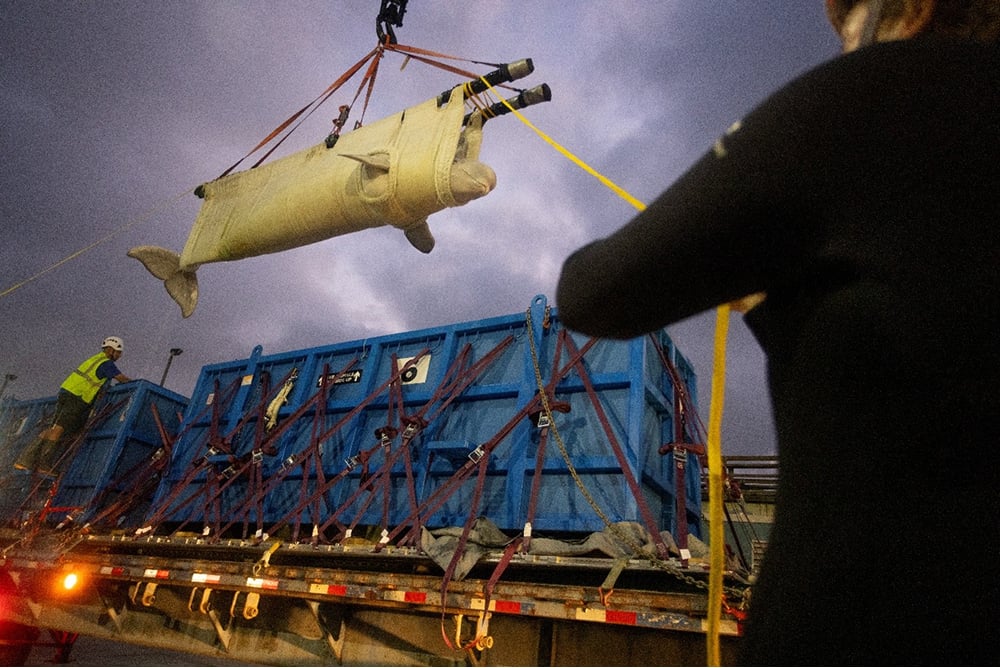
On July 21, 2026, SeaWorld San Antonio welcomed two rescued belugas, while Shedd Aquarium in Chicago received four whales. On Aug. 4, SeaWorld San Antonio welcomed an additional seven beluga whales.


Future rescues are planned for Georgia Aquarium, SeaWorld San Diego and Oceanogràfic Valencia in Spain. Mystic Aquarium, while not taking any animals, is providing additional capacity and support.




Beluga Rescue


Putting the Belugas First


Every decision throughout the rescue was guided by one principle: what was best for the whales.


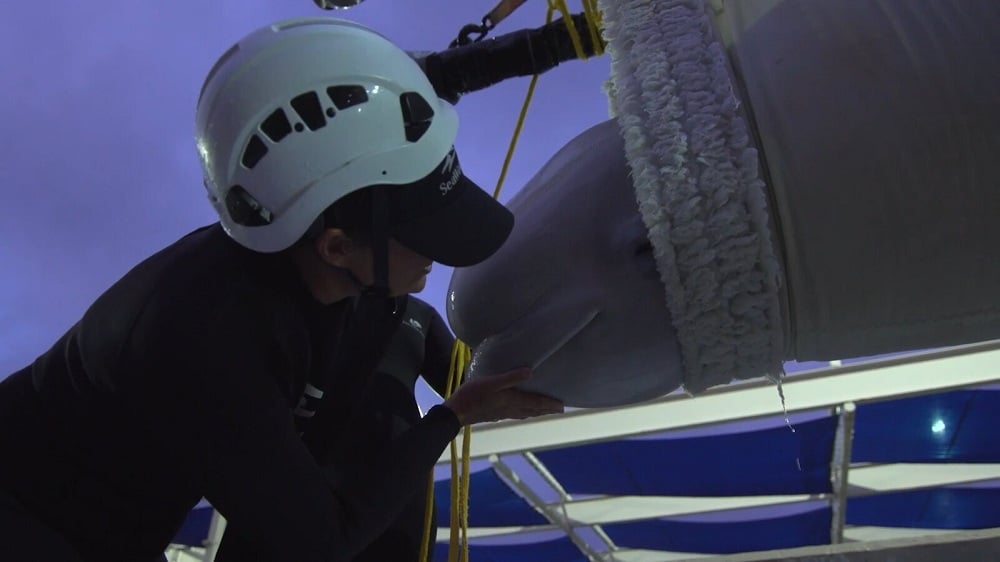
Months before the rescue began, veterinarians and animal care specialists from participating aquariums traveled to Canada to evaluate each animal, review veterinary records, observe social relationships and work alongside Marineland's animal care team.


All transports are being planned around social groupings, allowing bonded belugas to remain together throughout the journey and into their new homes.


"The rescue started with the needs of the belugas," said Dr. Chris Dold, SeaWorld's Chief Zoological Officer. "The plan was built, as much as possible, on understanding their overall health, social bonds and multiple other factors. Our plans naturally evolved as we learned more about the whales, and we will remain adaptive and responsive to the whales' needs as we work to complete this unprecedented rescue."

A Carefully Coordinated Journey


Transporting belugas requires extraordinary planning and expertise.


Each whale traveled inside a specialized cold-water transport unit designed specifically for marine mammals. Throughout the journey—from Ontario to their new homes by truck, aircraft and ground transport—marine mammal veterinarians and animal care specialists remained alongside the whales, continuously monitoring their health and comfort.


Every stage of the transport was coordinated with Canadian and U.S. government agencies and aviation partners to ensure the safest possible journey.


Beluga Rescue

Settling Into Their New Homes


Although some of the rescued belugas have arrived safely, their care is only beginning.


Animal care and veterinary teams are providing 24-hour monitoring as the whales gradually acclimate to their new environments.


Over the coming days and weeks, specialists will closely observe behaviors such as:

  • Exploring their new habitats
  • Eating and foraging
  • Swimming comfortably
  • Vocalizing and socializing
  • Building confidence in their surroundings


Introductions to resident beluga pods will happen slowly and only when animal care experts determine the whales are ready.


"Seeing these first beluga whales arrive safely to their new homes is an important milestone, but it's not the finish line," said Steve Aibel, Vice President of Animals and Conservation at SeaWorld San Antonio. "Our team is laser focused on supporting each whale through this transition with individualized care, patience and observation to ensure their welfare. We're optimistic about what's ahead, while recognizing that every animal will adapt on its own timeline."

SeaWorld's Beluga Expertise


For more than 50 years, SeaWorld has cared for beluga whales and has developed internationally recognized expertise in:

  • Marine mammal veterinary medicine
  • Beluga behavior and welfare
  • Long-distance animal transport
  • Reproductive science 
  • Neonatal and maternal care
  • Rescue and rehabilitation
  • Conservation research 


Prior to the rescue, SeaWorld has been caring for 13 beluga whales across its three U.S. parks, where each animal receives individualized care from veterinarians, nutritionists, animal care specialists and behavioral experts.


SeaWorld has also contributed decades of scientific research that has advanced understanding of beluga health, physiology, reproduction and conservation. 


Learn More

Helping Animals in Need


Beluga Rescue


SeaWorld is one of the world's largest marine animal rescue organizations, having helped rescue more than 43,000 animals over the past six decades. 

This rescue builds upon SeaWorld's long history of helping belugas in need, including:

  • Caring for Tyonek, the first successfully rescued and rehabilitated endangered Cook Inlet beluga calf.
  • Supporting the international rescue of Plombir and Miranda, two beluga whales evacuated from war-torn Ukraine.
  • Advancing veterinary medicine and conservation through decades of collaborative beluga research


A Collaborative Conservation Effort


Beluga Rescue


This rescue represents one of the most significant collaborations among accredited aquariums in recent history.
Participating organizations include:

  • SeaWorld 
  • Shedd Aquarium 
  • Georgia Aquarium 
  • Mystic Aquarium 
  • Oceanogràfic Valencia 


Working alongside Canadian and U.S. government agencies, these organizations developed a rescue strategy designed around the welfare of every individual whale.


"Helping animals in need is what we do—it's in our nature," said Dan Ashe, President and CEO of the Association of Zoos and Aquariums. "Time and time again, accredited zoos and aquariums step up to provide critical expertise, funding and sanctuary for animals in need."

What Happens Next


The arrival of these first belugas marks an important milestone—but the work continues.


Animal care teams will continue monitoring the rescued whales while sharing observations and lessons learned with partner aquariums as preparations continue for future transports of the remaining belugas.


As with the initial rescue, future movements will be determined by the needs of the animals and coordinated with the appropriate government agencies.

SeaWorld's Commitment


SeaWorld remains committed to providing exceptional animal care, advancing marine science and conservation, and helping animals in need around the world.


This historic beluga rescue reflects decades of expertise, collaboration and an unwavering commitment to putting animal welfare first.

Single Day Tickets

A ticket with a mission

Your visit to our award winning parks helps support animal rescue everts, with over 43,000 and counting.

Visit Today